
AI, Education, and Preserving Human Agency in a World of Automation
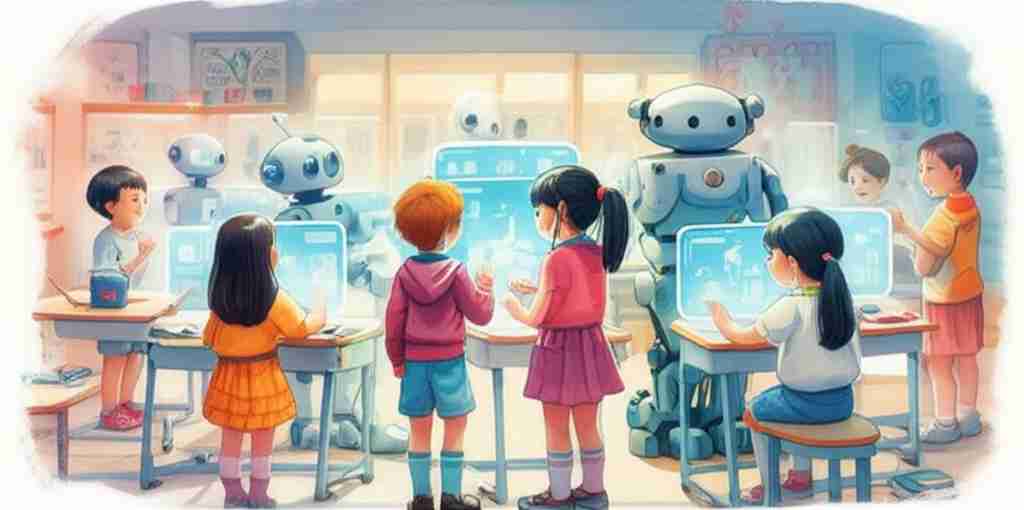
As artificial intelligence (AI) and automation transform every facet of business and education, a pressing question emerges: How do we ensure that human agency – our capacity to make meaningful choices – is not lost in this new era? The intersection of AI, education, and human autonomy is now at the forefront of global discourse, as highlighted on the International Day of Education under the theme “Artificial Intelligence (AI) and education: Preserving human agency in a world of automation.” This blog post provides an in-depth look at the opportunities and challenges posed by AI automation agencies, the pivotal role of education in maintaining human agency, and actionable strategies to thrive in an automated world, drawing exclusively from recent scientific discussion and real-world business insights.
1. The Rise of AI Automation Agencies: Transforming Modern Business
AI automation agencies are rapidly reshaping the business landscape by offering technology-driven solutions that streamline operations, boost productivity, and cut costs. Unlike traditional models, these agencies harness advanced AI tools to automate a wide range of processes, making them accessible even to those without a coding background.
- What Is an AI Automation Agency?
An AI automation agency is a business that utilizes AI-powered platforms to automate tasks for other companies. This encompasses anything from generating reports and creating content to managing customer communications and automating emails. - Key Services Provided:
- Chatbots: AI-driven chatbots handle customer inquiries around the clock, boosting customer satisfaction while reducing the burden on human representatives.
- Data Analysis: AI tools rapidly process vast data sets, offering actionable insights that drive efficiency and profitability.
- Process Automation: Routine actions, from sending emails to generating analytics reports, are streamlined, freeing up human talent for tasks that require creative or critical thinking.
This democratization of AI means that anyone with an entrepreneurial spirit and a willingness to learn can step into the field, often by outsourcing technical work and focusing on client relationships and business growth. As a result, AI automation agencies are seen as the vanguard of future entrepreneurship, with significant potential for income and innovation.
2. Automation and the Crucial Role of Human Agency
Automation is not merely about efficiency—it poses profound questions about human roles in decision-making, creativity, and education. It is essential to balance AI’s convenience with a conscious effort to preserve the unique capabilities that define us as human beings. The value of human agency lies in our ability to adapt, choose, and shape technology to ethical and purposeful ends.
- Why Human Agency Matters:
- Decision-Making: While AI can offer recommendations, humans must retain the authority to make final decisions, especially in complex or high-stakes scenarios.
- Creativity and Innovation: Machines excel at repetitive tasks, but innovation, empathy, and ethical judgment remain domains of human strength.
- Ethical Oversight: Human oversight is crucial to ensure AI systems operate transparently and without unintended biases.
Preserving human agency, especially in education, is vital for developing the skills required to harness AI as a tool rather than be constrained by it. This means preparing individuals not only to work with AI, but to question, customize, and guide its application in meaningful directions.
Research published in the Tehran Times highlights the urgency of this issue: The study underscores that as AI becomes increasingly integrated into education and the workplace, maintaining human agency is paramount. Observed annually on January 24, the International Day of Education this year spotlighted “Artificial Intelligence (AI) and education: Preserving human agency in a world of automation.” The article emphasizes that while AI offers vast opportunities for personalized learning and operational efficiency, its unchecked adoption risks diminishing individual choice. The researchers call for education systems to not only teach digital and technical skills but also cultivate critical thinking, ethical reasoning, and adaptability—qualities essential for retaining human autonomy in an AI-driven world.
3. Building an AI Automation Agency: Steps for Success
Starting an AI automation agency is more accessible than ever, but it requires diligence, continuous learning, and strategic planning. Whether you have a technical background or are just entering the field, the following roadmap can help guide aspiring entrepreneurs:
- Identify Essential AI Tools and Platforms
- Explore leading AI services like IBM Watson, Google Cloud AI, or Microsoft Azure AI for core automation functionalities.
- For specialized tasks, adopt tools such as Dialogflow (AI chatbots), MailChimp (email automation), and Tableau (report generation).
- Develop Core Competencies
- Take part in online courses, certification programs, or workshops focused on the specific AI tools your agency will use.
- If you’re not technically inclined, consider outsourcing to experts and focusing on business development, sales, and project management.
- Client Acquisition and Relationship Building
- Demonstrate your agency’s value through product demos, presentations, or free trials.
- Utilize professional outreach tools like LinkedIn Sales Navigator and Apollo to connect with prospective clients.
- Maintain strong relationships by providing ongoing support and regular updates.
- Team Building and Organizational Growth
- Start solo or with a small team; expand by hiring roles such as AI automation experts, sales professionals, and support staff as your client base grows.
- Create a positive, innovative company culture that values both technical and interpersonal skills.
Remember, sustainable success comes from continuously adapting, learning, and balancing technical expertise with strategic human insight.
4. Implications for Education: Empowering the Workforce of Tomorrow
Education systems hold the key to ensuring that future generations can thrive in a world of automation. The focus must shift from rote memorization to nurturing skills that complement AI, such as critical thinking, ethical leadership, and creative problem-solving.
- Key Educational Strategies:
- Integrate Digital Literacy Across Curricula: Equip students with the fundamentals of AI, data analysis, and technology usage.
- Foster Adaptability and Lifelong Learning: Encourage continuous upskilling to keep pace with rapid technological change.
- Cultivate Agency and Ethics: Embed lessons on digital rights, privacy, and ethical decision-making.
- Promote Collaboration: Develop teamwork and interdisciplinary projects that mirror real-world AI applications.
By championing these educational reforms, societies can ensure the workforce remains agile and empowered, capable of using AI as a partner, not a replacement.
5. Thriving Alongside Automation: Practical Takeaways and Forward Strategies
As automation continues its inexorable advance, both individuals and organizations must adopt strategies to preserve and enhance human agency. Here are practical takeaways:
- For Entrepreneurs and Professionals:
- Embrace AI as a tool to augment your work, not as a threat to your relevance.
- Seek continuous learning, both in technical skills and in soft skills that machines cannot replicate.
- Build diverse teams to blend technological know-how with creativity and empathy.
- For Educational Leaders:
- Integrate AI and ethics education from early levels onwards.
- Partner with industry to keep curricula relevant to evolving labor markets.
- Empower students to co-create with AI through hands-on projects and challenges.
- For Policymakers:
- Promote policies that protect worker rights and encourage responsible AI innovation.
- Support research into the societal impacts of automation and strategies to mitigate displacement.
Ultimately, human agency remains our greatest asset. By leveraging AI thoughtfully and emphasizing education that empowers rather than diminishes choice, we can shape a future where technology serves humanity’s highest aspirations.
Conclusion:
The integration of AI and automation offers unprecedented opportunities, but also introduces new challenges to human agency and the fabric of education. By understanding the evolving roles of AI automation agencies, championing agency-oriented education, and taking proactive steps to align technological growth with human values, we can ensure that automation enhances—rather than replaces—the irreplaceable elements of human contribution. The future is not just about smarter machines; it’s about smarter, more empowered humans working alongside them.
About Us
At AI Automation Sydney, we help businesses leverage smart AI tools and automation workflows to work more efficiently while keeping human expertise at the center. Our solutions support businesses in adapting to new technology, ensuring your team stays empowered and ready to thrive alongside automation—just as highlighted in this article about balancing AI innovation with human agency.