
AI and Copyright: Is There a Need to Balance the Rights of Authors With the Need to Train AI?
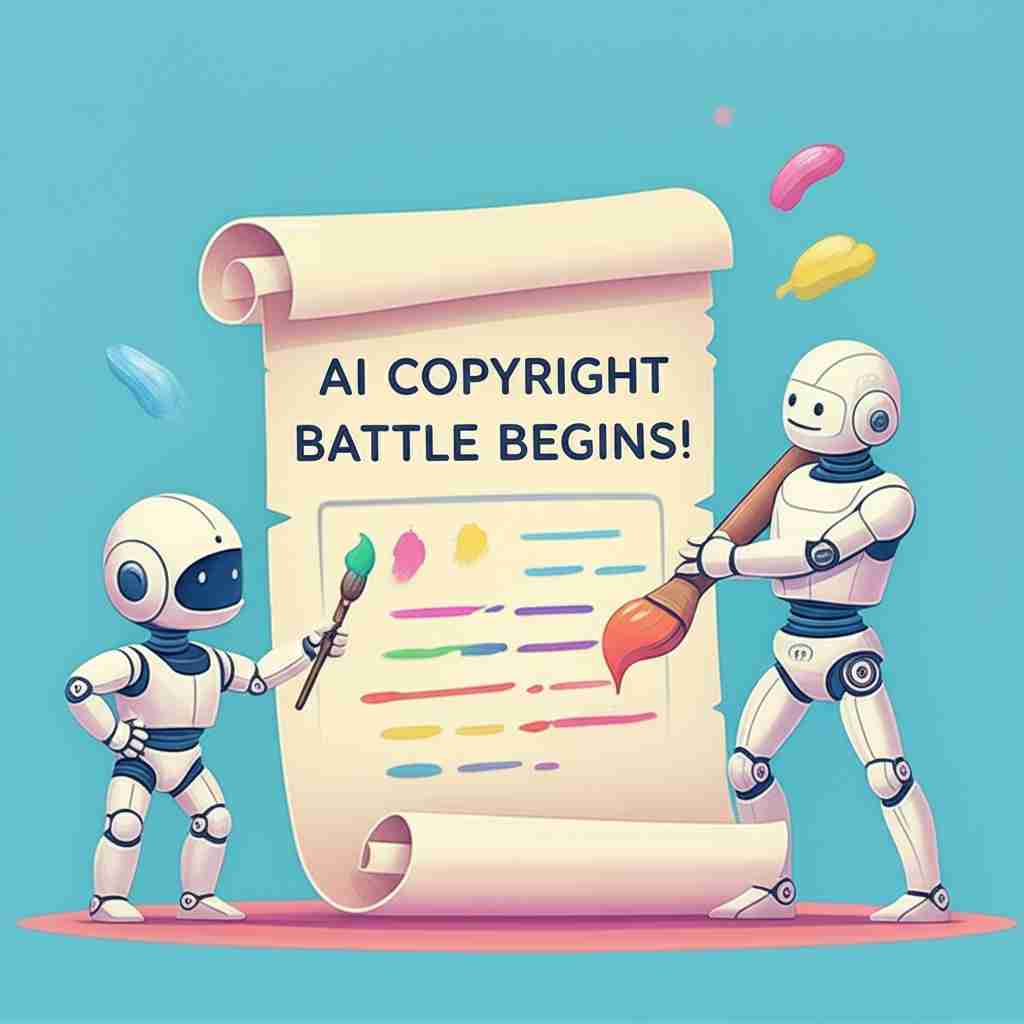
Artificial intelligence (AI) is reshaping industries at a breathtaking pace, with the creative sectors—music, art, writing, and video—experiencing profound disruption. At the core of this transformation lies a contentious debate: as AI models are trained on vast amounts of copyrighted material, how do we fairly balance the rights of the original authors against the need to train more advanced AI systems? This question has never been more urgent, with real financial and creative implications for artists, content creators, and the broader public. In this blog post, we explore the realities, challenges, and possible paths forward regarding AI and copyright.
The Current Landscape: How AI and Copyright Collide
AI models, especially those generating music and other creative content, are increasingly trained on vast datasets collected from across the internet. This often includes works from musicians, writers, and artists who did not explicitly grant permission for their work to be used for such purposes. The consequences of this practice are becoming clear as AI-generated content grows in popularity and the lines around copyright protections blur.
- Content ID Nightmares: Systems like YouTube’s Content ID were designed to protect creators by identifying and managing copyrighted content. However, these tools are being easily manipulated—AI-generated works can be uploaded and registered as original, resulting in false claims against genuine creators.
- Music Copyright Confusion: Copyright law is built on cornerstone concepts like originality, substantial similarity, and access. AI-generated music can be engineered to sound very similar to existing works, raising questions about who owns the resulting rights.
- Legal Gray Zones: The US Copyright Office ruled that purely AI-generated content is not eligible for copyright protection. However, if “sufficient human authorship” is involved, the work may qualify—yet what constitutes “sufficient” remains undefined, leaving creators in a “wild west” of legal uncertainty.
These issues extend beyond individual disputes, threatening to overwhelm creative industries with copyright conflicts, automated abuse, and financial harm to genuine artists and creators.
The Author’s Perspective: Risks and Challenges for Creators
For authors, musicians, videographers, and other original creators, the proliferation of AI and its impact on copyright is not a theoretical threat—it is a daily reality. Instances abound where creators have:
- Used stock or royalty-free music only to have their work copyright-claimed by someone who uploaded a similar AI-generated track.
- Discovered tracks generated by AI closely resembled their own work, putting them at risk of being flagged, demonetized, or losing control of their creative property.
- Been forced into costly and lengthy legal battles to assert their rights, often against large companies or anonymous claimants exploiting automated copyright systems.
Especially troubling is the ease with which bad actors can use AI systems to generate derivative content and weaponize platforms like Content ID for profit with minimal oversight. As explained in a recent video, it is now possible for virtually anyone to:
- Use a public AI tool to generate music or art that mimics an established creator.
- Upload that AI output to a music distribution service and register it for copyright protection—even if doing so violates the platform’s rules.
- Automatically claim copyright on legitimate uses, holding creators’ revenue in escrow or diverting it entirely.
This environment not only endangers the livelihood of professional creators but also sows confusion and fear among aspiring artists, stifling creativity at the very moment the world needs it most.
Why Dataset Transparency and Consent Matter
One particularly contentious issue is the opaque nature of AI training datasets. The vast majority of AI platforms do not disclose the exact sources of the content used to train their models. Troubling admissions from AI companies acknowledge that their models are trained on music scraped from the “open internet,” treating anything publicly accessible as fair game—regardless of the original creator’s intentions or rights.
- Lack of Consent: Artists’ works are included in AI datasets without their knowledge or approval.
- Potential Harm: AI-generated outputs can mimic or emulate specific artists, further muddying attribution and ownership.
- Legal Action: Organizations like the RIAA (Recording Industry Association of America) are already pursuing legal challenges against AI platforms over unauthorized use of copyrighted works.
Cases of AI-generated tracks being marketed as soundalikes to avoid paying licensing fees, as well as platforms encouraging users to reference an artist’s style, highlight the urgent need for transparency and artist consent. Without clear guidelines and respect for original creators, the foundational value of copyright itself is at risk of erosion in the age of AI.
The Search for Balance: Legal Uncertainty and the Way Forward
Research published in AI and copyright: is there a need to balance the rights of authors with the need to train AI? underscores the critical importance of striking a fair equilibrium. The study recognizes the growing concern around how AI models gather and use data, emphasizing that while AI offers innovation and efficiency, it also poses distinct risks to existing copyright frameworks and the rights of creators. The authors argue for modernizing copyright laws and promoting greater transparency, warning that, without reforms, both technological progress and artistic integrity are likely to suffer. This research lends strong support to calls for thoughtful legal, ethical, and industry-driven solutions that equally consider the needs of authors and the practicalities of AI development.
At the moment, legal remedies and system-level enforcement remain limited. Content creators often find that disputing claims is a daunting process, with major platforms unable or unwilling to make case-by-case judgments. Instead, the landscape is likely to remain unsettled until:
- Clearer legal precedents are established through court cases involving AI-generated content.
- Copyright laws are modernized to clarify questions of AI-authorship, dataset usage, and licensing.
- Industry standards require transparency in how AI datasets are built and mandate consent from original authors.
- Platforms improve their dispute resolution systems to better distinguish between genuine infringement and abuse.
International variation adds another layer of complexity—what is legal in one country may not be recognized elsewhere, leaving creators vulnerable even when acting in good faith.
Actionable Takeaways for Creators and Industry Stakeholders
While comprehensive legal and industry reform is urgently needed, here are several practical steps creators and organizations can take today:
- Be Cautious With AI Content: If you use music, images, or text generated by AI, be aware of the copyright uncertainties and risks of Content ID claims.
- Document Your Creative Process: Maintain records of your drafts, source materials, and working files to help establish human authorship.
- Advocate for Policy Change: Join or support creators’ rights groups pushing for legal clarity, dataset transparency, and artist compensation frameworks.
- Check Platform Policies: Understand the terms and dispute resolution processes of the platforms you use and ensure you are not inadvertently exposing yourself to legal risk.
- Stay Informed: Follow the latest legal developments, industry standards, and best practices for creators in the AI era.
Above all, do not stop creating art, music, stories, or videos that matter to you. While copyright challenges are real and pressing, giving up creative pursuits out of fear is ultimately the greatest loss.
Conclusion: Building a Future That Values Both Creativity and Innovation
The relationship between AI and copyright sits at a critical crossroads. The current system, designed for a pre-AI world, is proving ill-equipped to manage new legal, ethical, and practical complexities. Artists and creators deserve robust protections and respect for their work, even as society reaps the benefits of increasingly capable AI. Achieving a true balance will require updated laws, greater clarity around authorship and consent, transparent AI practices, and a shared commitment—by creators, companies, and regulators—to fostering an ecosystem where art and innovation can flourish side by side.
About Us
At AI Automation Sydney, we’re passionate about making AI work for people and businesses while respecting creative efforts. As AI transforms industries—from the arts to everyday business operations—we help local companies harness automation responsibly. Our tailored AI solutions support innovation, efficiency, and the protection of original work in this rapidly changing landscape.