

AI Agents in 2025: Expectations vs. Reality
The buzz surrounding AI agents is everywhere, with technologists and businesses alike predicting 2025 as a pivotal year for their adoption. But as excitement grows, questions arise: What can we truly expect from AI agents by 2025, and will these expectations match reality? This comprehensive review explores the current landscape, foundational technologies, and what the near future may hold for AI agents—drawing on expert commentary and leading scientific research in the field.
1. Understanding AI Agents: Beyond Traditional Software
AI agents are rapidly changing how we think about and build software systems. Unlike conventional programs that follow strict, pre-determined routines, AI agents are designed as helpful software assistants able to:
- Monitor their environment using sensors and inputs
- Process information through sophisticated reasoning engines
- Make decisions based on set goals and available actions
- Actively take steps to accomplish human-defined objectives
- Learn continuously from feedback to improve future performance
This shift moves us from imperative programming—where humans must specify every step—to declarative goal-setting, allowing users to define an outcome and the agent to determine how to achieve it. AI agents operate across a spectrum of autonomy, from systems that simply recommend options for human approval to fully autonomous agents capable of independent decision-making and task execution. The engineering challenge for developers is to calibrate this autonomy while ensuring robust oversight and safety mechanisms are in place.
2. Foundational Capabilities: What Powers Today’s AI Agents?
Modern AI agents are built upon several core technological components and architectural approaches that underpin their powerful capabilities:
- Persistent Memory: Unlike stateless APIs, AI agents retain memory across interactions—enabling them to handle multi-step tasks and maintain context. This might involve conversation history, state data, or action results stored in vector databases or structured storage systems.
- Large Language Models (LLMs): These AI engines allow agents to understand natural language, apply reasoning, and represent knowledge intuitively—enabling robust problem-solving and communication capabilities.
- Integration with Existing Systems: AI agents can execute code, call external APIs, retrieve data from databases, and orchestrate multi-tool workflows. This makes them highly adaptable across diverse industries and applications.
- Modular Architecture: Clean, modular interfaces between agent components and tools support maintainability and scalability as use cases grow in complexity.
Types of AI agents vary by sophistication and domain, including:
- Simple reflex agents: Immediate response systems using straightforward rules—ideal for monitoring and alerting.
- Model-based agents: Track world state and adapt to environmental changes through internal variables.
- Goal-based agents: Use algorithms to sequence actions toward specific targets.
- Learning agents: Improve over time through reinforcement and feedback cycles.
- Utility-based agents: Weigh multiple outcomes to choose actions for the highest expected benefit.
3. Architectural Approaches: The Engine Behind Human-AI Collaboration
Designing effective AI agent systems means picking the right architecture for the job. There are three main strategies currently shaping AI agent deployment:
- Single Agent Architecture: Deploys one agent as a personal assistant or specialist, ideal for focused tasks but limited in handling complex, interdisciplinary challenges.
- Multi-Agent Architecture: Multiple specialized agents—such as research, planning, and execution agents—work in coordination, often using shared memory or messaging protocols for communication. This division of labor supports sophisticated, domain-spanning solutions.
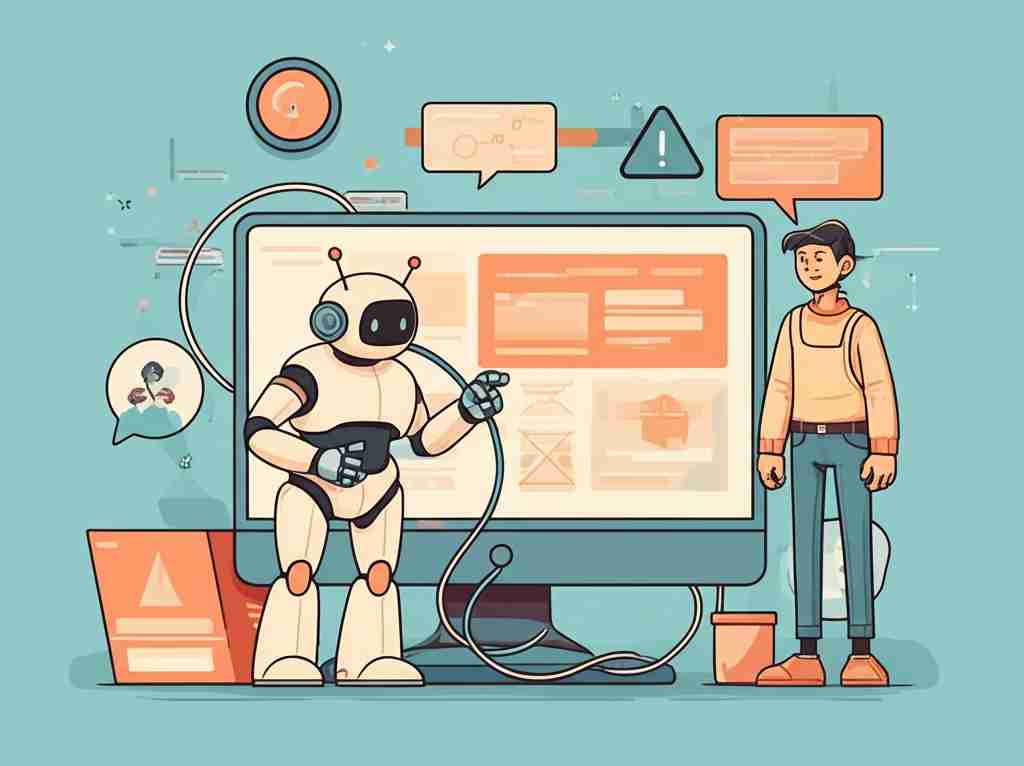
- Human-Machine Collaboration: Pairing AI agent capabilities with human judgment is arguably the most practical approach seen today. Agents automate routine tasks and offer analytical support, while humans maintain critical oversight and creative direction—mirroring ongoing adoption in fields like software engineering, healthcare, and business strategy.
Ultimately, the growing prevalence of AI agents signals a fundamental evolution in how software is conceived and built. These agents can reason and adapt, moving beyond traditional programming and offering a glimpse into the flexible, responsive systems of tomorrow.
4. The Hype and the Science: What Can We Really Expect by 2025?
As we look toward 2025, narratives in tech abound with lofty expectations for AI agents—sometimes promising human-like autonomy across every domain. But where does reality currently stand, and what does credible research predict for the near future?
According to research published by IBM, AI agents in 2025: Expectations vs. reality, much of the excitement is valid but requires careful nuance. The study notes:
- AI agents are poised to transform both personal and professional spheres by augmenting existing workflows, not fully replacing human expertise.
- Engineering advances—such as persistent memory, integration capabilities, and scalable architectures—will enable practical multi-agent systems.
- However, challenges like calibration of autonomy, ethical oversight, and robust interfacing with legacy systems remain significant roadblocks to realizing “fully autonomous” general-purpose agents in most real-world settings by 2025.
- Practical adoption is most likely to occur in collaborative settings, where humans and agents work side by side—enhancing productivity, accuracy, and innovation—rather than in scenarios of blanket automation.
Read the full study here: AI agents in 2025: Expectations vs. reality.
5. Practical Takeaways: Navigating AI Agent Adoption in the Next Wave
To bridge the gap between hype and reality, individuals and organizations should consider the following guiding principles when evaluating or deploying AI agents in the coming years:
- Set Realistic Goals: Embrace AI agents as powerful collaborators, not replacements. Focus on workflows where agents can augment human skillsets, streamline routine processes, or handle complex data-driven tasks.
- Invest in Human-AI Partnerships: The most effective systems foster synergy between agent automation and human decision-making—maximizing strengths of both.
- Prioritize Oversight and Safety: Implement guardrails, ethical checks, and feedback mechanisms to ensure responsible agent autonomy and avoid unintended consequences.
- Leverage Modular & Scalable Architectures: Build agent systems with modular components and clear interfaces, allowing for incremental scale and easy adaptation to new domains.
- Stay Informed by Evidence: Monitor ongoing research and case studies to guide responsible and effective adoption, as scientific understanding and technological capabilities continue to evolve.
Conclusion:
AI agents are rapidly evolving, blurring the line between expectation and reality. While autonomous agents with human-like flexibility may remain aspirational in the near term, 2025 will likely be a breakthrough year for nuanced, collaborative AI systems that enhance—not replace—human capability. By understanding their technical underpinnings, realistic applications, and ongoing challenges, organizations can effectively harness this next wave of AI innovation.
About Us
At AI Automation Sydney, we empower local businesses to adopt the latest in AI agent technology. Our custom automation solutions help you leverage AI as a collaborative tool to streamline tasks and boost productivity—reflecting the practical approaches discussed in this article. We focus on making advanced AI accessible, safe, and supportive for your everyday operations.